Complete Roof Replacement in Valdosta, Albany, Nashville, GA, and Surrounding Areas
Premium Materials and Expert Installation
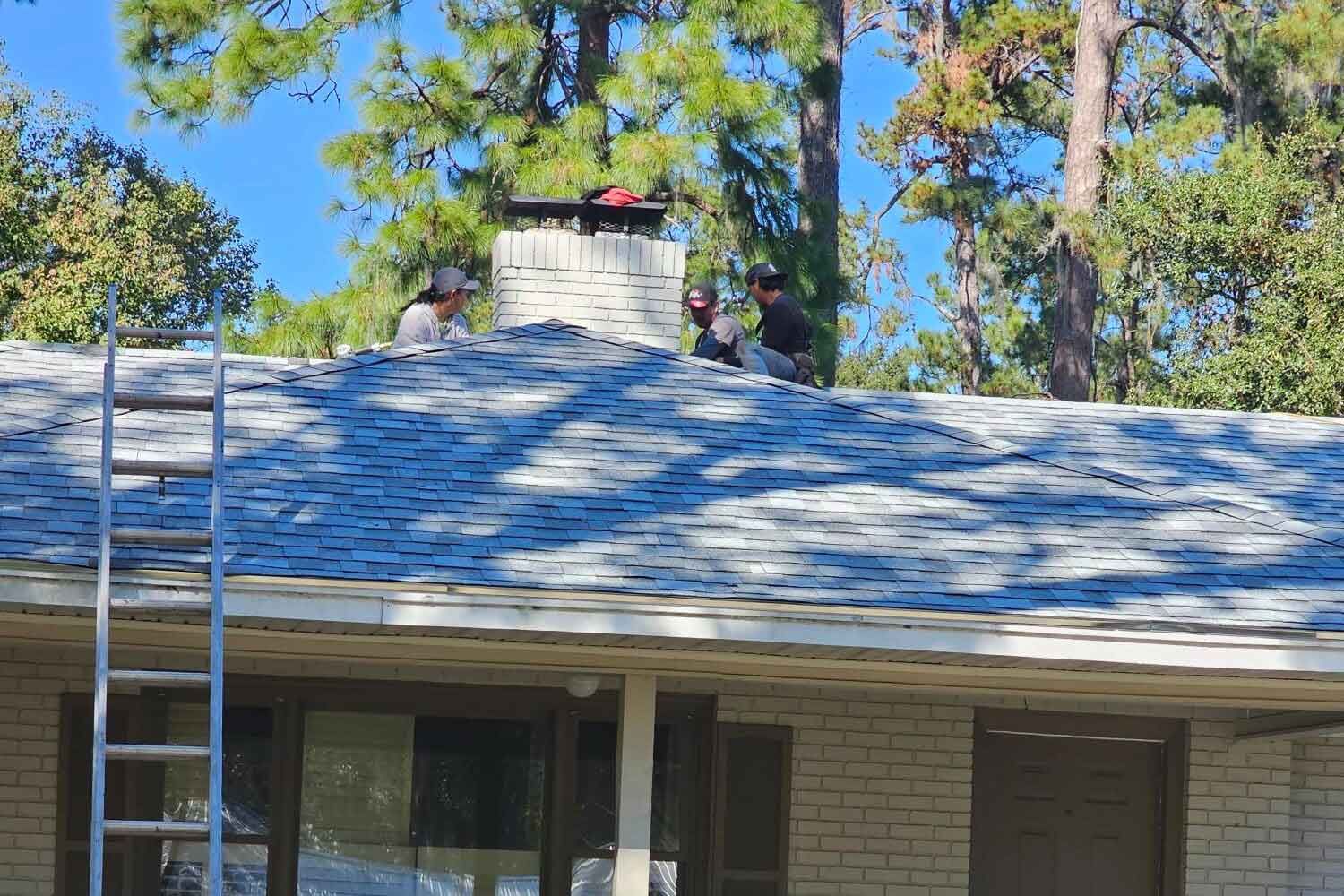
When your Nashville and Albany, GA, roof has reached the end of its functional life, complete replacement ensures decades of reliable protection for your home and family. Professional installation using quality materials designed for South Georgia's climate provides the long-term solution your home deserves.
Full tear-off and replacement for roofs beyond rejuvenation, offering shingle, metal, TPO, or rolled roofing options depending on structure.
The process emphasizes code compliance, warranty coverage, and premium materials, making it ideal for older homes in Nashville GA, and surrounding areas with aged roofs that need comprehensive updating and protection.
Contact us today to discuss roof replacement options in Valdosta, Tifton, Albany, Nashville, GA, and Surrounding Areas.
Professional Roof Replacement for South Georgia Homes and Businesses
A roof replacement is more than installing new shingles or metal panels. It is an opportunity to protect the structure of your property, improve long-term weather resistance, correct hidden roofing problems, and choose a roofing system that fits your building, budget, and maintenance expectations.
Fresh Roof of South Georgia provides complete roof replacement services for homeowners, property managers, agricultural property owners, and businesses throughout Valdosta, Albany, Nashville, Tifton, Adel, Thomasville, Moultrie, and surrounding South Georgia communities.
Our team evaluates the condition of the existing roof, identifies damaged or deteriorated materials, examines vulnerable areas around flashing and penetrations, and recommends an appropriate roofing system based on the property’s needs. Whether you are replacing an aging asphalt shingle roof, upgrading to metal roofing, or addressing extensive storm damage, we focus on creating a durable and properly installed roofing system.
Every property is different. Roof age, slope, ventilation, decking condition, drainage, previous repairs, weather exposure, and roofing material all influence the replacement process. That is why we begin with a detailed evaluation rather than offering the same recommendation for every roof.
A complete roof replacement may include:
- Removal of the existing roofing material
- Inspection of the roof decking
- Replacement of damaged or deteriorated decking when needed
- Installation of underlayment and protective barriers
- Flashing evaluation and replacement
- Roofing material installation
- Ridge, valley, vent, and penetration detailing
- Ventilation review
- Cleanup and removal of roofing debris
- Final inspection and project walkthrough
Our goal is to help South Georgia property owners understand what their roof needs, what the replacement will involve, and how the new roofing system will protect the property for years to come.
Roof Replacement Options for South Georgia Properties
Fresh Roof of South Georgia works with multiple roofing systems so customers can select a solution based on their property type, architectural style, budget, and performance expectations.
Asphalt Shingle Roof Replacement
Asphalt shingles remain one of the most common roofing choices for homes throughout Valdosta, Nashville, Albany, Tifton, and surrounding communities. They are available in numerous colors and profiles and can provide a practical balance of appearance, protection, and affordability.
An asphalt shingle replacement may be appropriate when:
- The existing shingles are curling, cracking, or losing granules
- Multiple sections of the roof have been repaired
- Wind has lifted or removed shingles
- The roof is approaching the end of its expected lifespan
- Water is entering around valleys, vents, chimneys, or flashing
- The homeowner wants to update the appearance of the property
Proper shingle installation requires more than placing new shingles over the roof. Underlayment, flashing, ventilation, nail placement, starter courses, ridge details, and deck condition all contribute to the performance of the finished roofing system.
Metal Roof Replacement
Metal roofing is a popular option for South Georgia homes, farms, shops, commercial properties, and other buildings that need dependable long-term protection.
Metal roofing may provide:
- Strong resistance to wind and heavy rain
- Long-term durability
- Reduced maintenance compared with some roofing materials
- A clean, updated appearance
- Compatibility with residential, agricultural, and commercial structures
- Improved resistance to rot, cracking, and insect damage
Before installing a metal roofing system, the roof structure, decking, drainage, penetrations, and flashing details should be carefully evaluated. The correct panel type and installation method will depend on the building and the existing roof conditions.
TPO Roof Replacement
TPO roofing is commonly used on commercial buildings and properties with low-slope or flat roof areas. A properly installed TPO system creates a continuous roofing membrane designed to help protect the building from water intrusion.
TPO roofing may be suitable for:
- Commercial buildings
- Offices and retail properties
- Warehouses
- Low-slope roof sections
- Additions with flat or minimally sloped roofs
- Properties requiring a membrane roofing system
Successful TPO installation depends heavily on seam work, drainage, flashing, roof penetrations, edge detailing, and preparation of the roof surface.
Rolled Roofing
Rolled roofing may be considered for certain low-slope structures, sheds, workshops, utility buildings, and other applications where traditional shingles may not be the best fit.
The right roofing material should always be selected according to the roof’s slope, structure, expected use, and exposure to weather. Our team can evaluate the property and explain whether rolled roofing, TPO, metal, or another roofing system is the most appropriate solution.
Should You Repair or Replace Your Roof?
Many homeowners are unsure whether roof damage requires a targeted repair or a complete replacement. The answer depends on the age of the roof, the amount of damage, the number of previous repairs, the condition of the decking, and whether the roofing system is still capable of providing dependable protection.
Roof Repair
Roof repair may be appropriate when
- Damage is limited to a small area
- Only a few shingles or panels are missing
- Flashing has failed around one penetration
- A leak has a clearly identifiable and repairable source
- The roof is otherwise in good condition
- The roofing material still has substantial usable life remaining
- The cost of repair is reasonable compared with replacement
Roof Replacement
Roof replacement may be the better option when:
- The roof has widespread damage
- Leaks are appearing in multiple areas
- Repairs are becoming increasingly frequent
- The roof is nearing the end of its functional lifespan
- Large areas of shingles are curling, cracking, or deteriorating
- The decking has moisture damage or deterioration
- Storm damage affects multiple roof slopes
- The roofing system can no longer provide reliable protection
- Continued repairs would only delay an unavoidable replacement
A less expensive repair is not always the most economical long-term choice. Repeated repair costs can add up quickly when the underlying roofing system is already failing. On the other hand, a complete replacement may not be necessary when the roof is structurally sound and damage is isolated.
Fresh Roof of South Georgia evaluates the condition of the entire roofing system before recommending a solution. We want customers to understand whether a repair, roof rejuvenation service, restoration option, or complete roof replacement makes the most sense for the property.
What Happens During a Roof Replacement?
A professional roof replacement follows an organized process that addresses the visible roofing material as well as the components underneath it.
1. Roof Inspection and Evaluation
The process begins with an assessment of the roof’s condition. We look for damaged roofing materials, soft areas, drainage problems, failed flashing, deteriorated sealants, ventilation concerns, and evidence of water intrusion.
We also evaluate the roof’s age and previous repair history. This helps determine whether the problem is limited to one area or is part of a larger roofing-system failure.
2. Roofing Recommendation
After the inspection, we explain the available options and recommend a roofing system based on the property.
Factors may include:
- Roof slope
- Property type
- Existing roofing material
- Structural condition
- Weather exposure
- Maintenance expectations
- Desired appearance
- Project budget
- Long-term performance goals
3. Preparation and Property Protection
Before tear-off begins, the work area is prepared to reduce disruption and protect the surrounding property. Roofing materials, equipment, disposal needs, access points, and cleanup procedures are coordinated before installation.
4. Removal of Existing Roofing
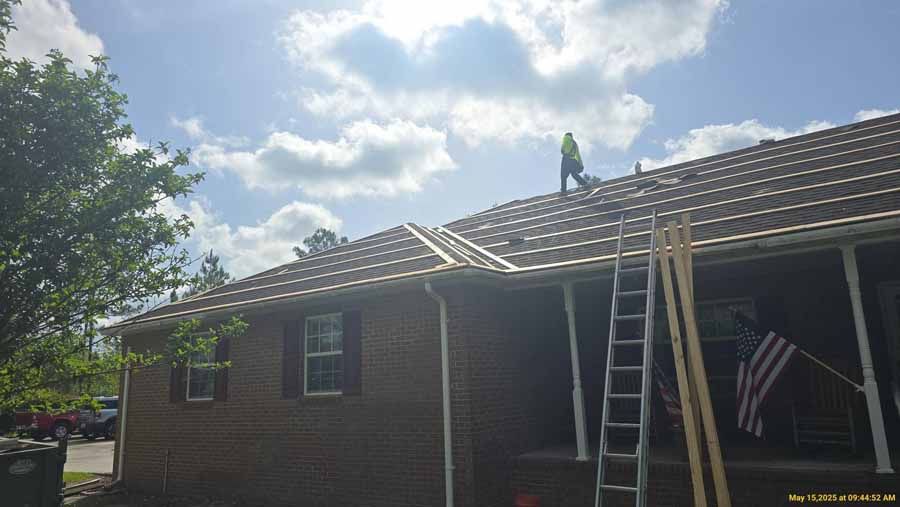
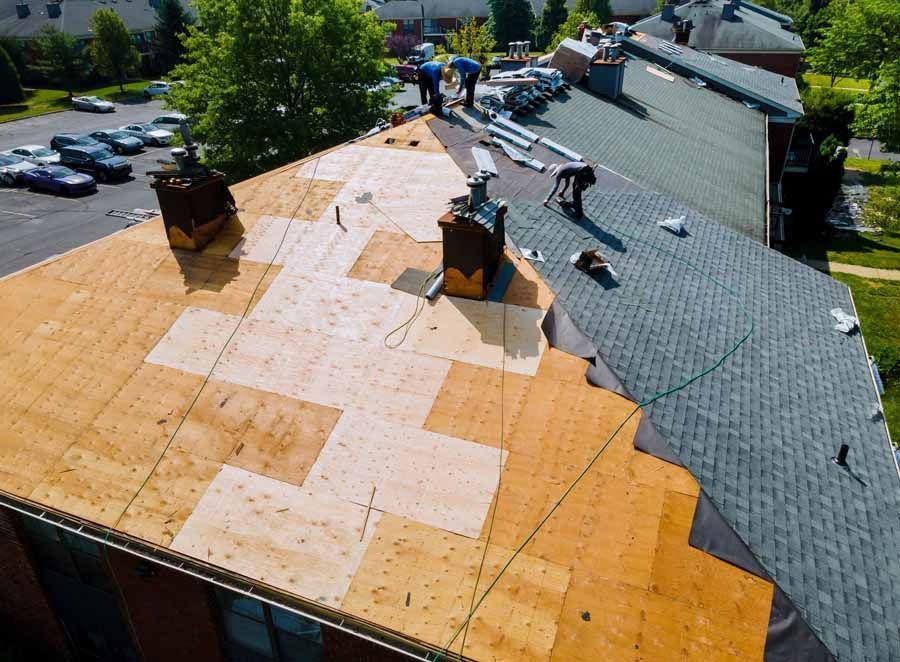
When a complete tear-off is required, the existing roofing material is removed so the underlying roof deck can be evaluated.
Removing old material can reveal problems that are not visible from the exterior, including:
- Rotten or weakened decking
- Moisture damage
- Improper previous repairs
- Deteriorated underlayment
- Flashing failures
- Soft or unstable sections
- Water pathways around roof penetrations
5. Decking and Structural Evaluation
A durable roof depends on a stable base. Damaged decking should be addressed before new roofing materials are installed.
When deteriorated or unsafe sections are found, the necessary repairs can be discussed before the roofing system is completed.
6. Underlayment, Flashing, and Water Protection
Protective roofing components are installed according to the roofing system and property needs. Particular attention is given to vulnerable areas such as:
- Valleys
- Roof edges
- Chimneys
- Plumbing vents
- Exhaust vents
- Skylights
- Wall intersections
- Roof transitions
- Low-slope areas
These details are critical because many roof leaks begin around penetrations, transitions, and improperly installed flashing rather than in the center of the roof.
7. New Roofing Installation
The selected shingles, metal panels, TPO membrane, or other roofing material are installed using the appropriate methods for the roofing system.
Consistent installation practices help the finished roof resist South Georgia’s heavy rain, heat, humidity, wind, and seasonal storms.
8. Cleanup and Final Review
After installation, roofing debris and project materials are removed from the work area. The completed roof is reviewed, and the customer has an opportunity to discuss the finished project and any recommended maintenance considerations.
What Can Affect the Cost of a Roof Replacement?
South Georgia roofs are regularly exposed to wind, heavy rainfall, falling limbs, hail, heat, and severe storms. Even when damage is not obvious from the ground, the roofing system may have loose materials, lifted shingles, punctures, damaged flashing, or openings that allow water to enter.
Signs of possible storm damage include:
- Missing shingles
- Lifted or creased shingles
- Dented or displaced metal panels
- Fallen limbs
- Water stains inside the property
- Active ceiling leaks
- Damaged flashing
- Loose ridge materials
- Roofing debris in the yard
- Visible punctures or openings
- Sagging areas
Sudden granule accumulation near gutters and downspouts
When storm damage leaves the building exposed, temporary protection may be needed before permanent repairs or replacement can begin.
Fresh Roof of South Georgia provides emergency roof tarping to help reduce additional water intrusion while the roof is evaluated. Emergency tarping is a temporary protective measure and should be followed by a professional inspection and permanent roofing solution.
Roof Replacement for Residential and Commercial Properties
Residential Roof Replacement
A residential roof replacement protects the home, personal belongings, interior finishes, insulation, framing, and other structural components from moisture.
We work with homeowners who are experiencing:
- Recurring leaks
- Aging shingles
- Storm damage
- Missing roofing materials
- Roof discoloration or deterioration
- Previous repairs that are no longer holding
- Concerns discovered during a property sale or inspection
- The need to upgrade the home’s appearance
We explain the replacement process clearly so homeowners know what to expect before, during, and after installation.
Commercial Roof Replacement
Commercial roofing systems require careful planning because drainage, roof penetrations, equipment, low-slope areas, business operations, and property access can influence the project.
Commercial replacement options may include TPO, metal roofing, rolled roofing, and other systems appropriate for the building.
A commercial roof evaluation may address:
- Ponding water
- Membrane deterioration
- Open seams
- Flashing failures
- Drainage issues
- Roof penetrations
- Repeated leak locations
- Storm damage
- Aging roofing materials
- Deteriorated roof edges
Fresh Roof of South Georgia helps business owners and property managers understand the condition of the roof and the available replacement options.
Roof Ventilation and Long-Term Roof Performance
Roofing material is only one part of the complete system. Ventilation, insulation, drainage, flashing, underlayment, and deck condition can all influence roof performance.
Improper ventilation may contribute to:
- Excessive attic heat
- Moisture accumulation
- Premature roofing deterioration
- Condensation
- Uncomfortable indoor temperatures
- Increased stress on the roofing system
During a roof replacement, ventilation should be reviewed so the new roofing material is supported by a properly functioning roof and attic system. The appropriate ventilation solution depends on the building’s construction, roof design, intake ventilation, exhaust ventilation, and attic configuration.
Why South Georgia Property Owners Choose Fresh Roof
Fresh Roof of South Georgia brings more than 15 years of specialized roofing experience to residential and commercial projects throughout the region.
Our approach focuses on:
Detailed Roof Evaluations
We examine the roofing system before recommending repair, rejuvenation, restoration, or replacement.
Clear Project Communication
Customers receive an explanation of the roof’s condition, available options, and the expected replacement process.
Multiple Roofing Solutions
We work with asphalt shingles, metal roofing, TPO roofing, rolled roofing, roof restoration solutions, roof rejuvenation services, and additional roofing applications.
Attention to Vulnerable Roof Areas
Flashing, valleys, vents, penetrations, roof edges, drainage areas, and transitions receive careful attention during the replacement process.
South Georgia Service Knowledge
Our team works throughout Valdosta, Albany, Nashville, Tifton, Adel, Thomasville, Moultrie, and nearby areas. We understand the roofing challenges created by regional heat, humidity, wind, heavy rain, and seasonal storms.
Complete Roofing Support
In addition to roof replacement, customers can contact Fresh Roof of South Georgia for roof repair, roof inspections, roof rejuvenation, restoration, tune-ups, and emergency roofing assistance.
Roof Replacement Service Areas
Fresh Roof of South Georgia provides roof replacement and related roofing services throughout South Georgia, including:
- Nashville
- Valdosta
- Albany
- Tifton
- Adel
- Thomasville
- Moultrie
- Hahira
- Sparks
- Lenox
- Waycross
- Surrounding South Georgia communities
Service availability may vary depending on the project location, roofing system, and scope of work. Contact our team to discuss your property and schedule an evaluation.

Frequently Asked Questions About Roof Replacement
When should I repair versus replace my roof?
Roof repair may be appropriate when damage is limited, the roofing material still has substantial usable life, and the surrounding roof remains in good condition. Replacement may be more cost-effective when the roof is aging, leaking in multiple areas, experiencing widespread damage, or requiring frequent repairs. Warranty eligibility and deck condition may also influence the recommendation.
How do I know whether my roof needs to be replaced?
Common warning signs include recurring leaks, missing or curling shingles, widespread granule loss, deteriorated flashing, soft decking, storm damage, sagging areas, and repeated repairs. A professional roof inspection can determine whether the problem is isolated or affects the entire roofing system.
How long does a roof replacement take?
The timeline depends on the size and complexity of the roof, selected material, weather conditions, roof accessibility, and whether decking repairs are required. A straightforward residential replacement may move more quickly than a large commercial, metal, steep-slope, or multi-level roofing project.
Can you replace a roof that is leaking?
Yes. However, the source of the leak and the condition of the roof deck should be evaluated before installation. Water may travel from the original entry point, so the visible interior stain is not always directly beneath the exterior roofing problem.
Do you remove the old roof before installing the new one?
Many complete replacement projects involve removing the existing material so the decking and underlying components can be evaluated. The correct approach depends on the existing roof, applicable installation requirements, property conditions, and the roofing system being installed.
What happens when damaged decking is found?
Damaged, soft, or deteriorated decking should be addressed before the new roof is installed. The amount of decking repair needed may not be fully visible until the existing roofing material has been removed.
What roofing material is best for South Georgia?
The best material depends on the property, roof slope, budget, appearance, and long-term goals. Asphalt shingles are common for residential properties, while metal roofing can be a strong option for homes, farms, shops, and commercial buildings. TPO is frequently used on low-slope and commercial roofs.
Can a roof be replaced after storm damage?
Yes. The roof should first be inspected to determine the extent of the damage. Missing shingles, punctures, lifted materials, damaged flashing, fallen limbs, and water intrusion may require repair or replacement. Emergency tarping may be used temporarily when the structure is exposed.
Do you offer emergency roof tarping?
Yes. Emergency roof tarping can help reduce additional water intrusion after storms, fallen limbs, wind damage, or sudden roofing failures. Tarping is a temporary measure and should be followed by an inspection and permanent repair or replacement.
Is roof rejuvenation an alternative to replacement?
Roof rejuvenation may be an option for certain aging asphalt shingle roofs that are still structurally sound. It is not appropriate for every roof, particularly when there is widespread damage, active structural deterioration, significant decking problems, or extensive leakage. An inspection is needed to determine whether rejuvenation or replacement is more suitable.
Can you replace commercial and low-slope roofs?
Yes. Fresh Roof of South Georgia provides roofing solutions for residential and commercial properties, including TPO and other systems suitable for certain low-slope applications.
Should I schedule an inspection before requesting a replacement estimate?
Yes. An inspection helps identify the roof’s actual condition, material requirements, flashing concerns, decking damage, ventilation considerations, and other factors that may affect the project.
Schedule a Roof Replacement Consultation
Do not wait for a small roofing concern to become widespread water damage. Whether your roof is aging, leaking, missing materials, or showing signs of storm damage, Fresh Roof of South Georgia can evaluate the roofing system and explain the available options.
Contact us to discuss roof replacement, roof repair, roof rejuvenation, roof restoration, emergency roof tarping, metal roofing, TPO roofing, rolled roofing, and roof inspection services in Valdosta, Albany, Nashville, Tifton, Adel, Thomasville, Moultrie, and surrounding South Georgia communities.
Call Fresh Roof of South Georgia or request a free online estimate today.
How Does Roof Replacement Work in Valdosta, Albany & Nashville, GA?
Your replacement project begins with detailed assessment of your current roof structure, followed by recommendations for the best material options based on your home's architecture, your preferences, and local climate considerations. We evaluate everything from structural integrity to ventilation needs before creating your customized replacement plan.
During installation, you can expect systematic tear-off procedures, proper disposal of old materials, and careful installation of your new roofing system using premium materials and proven techniques. Fresh Roof ensures every aspect of the replacement meets or exceeds local building codes while delivering the aesthetic appeal you want.
Our comprehensive approach includes thorough cleanup, final inspection, and detailed warranty information, giving you confidence in your investment and peace of mind for years ahead.
Schedule your replacement consultation today for expert roof installation in Valdosta, Tifton, Albany, Nashville, GA, and Surrounding Areas.
What Makes Our Replacement Services Different
Code compliance, warranty coverage, and premium materials form the foundation of every replacement project we complete.
- What roofing options do we offer? Shingle, metal, TPO, or rolled roofing options are selected based on your structure's requirements and your preferences for durability and appearance
- How do we ensure quality installation? Every replacement emphasizes code compliance and premium materials with systematic installation processes that meet industry best practices
- Why choose complete replacement? Nashville GA's older homes often benefit from comprehensive updating that addresses structural issues while improving energy efficiency and weather protection
- What's our installation approach? Full tear-off and replacement ensures proper evaluation of underlying structure with opportunity to address any hidden issues before new installation
- How do we protect your investment? Warranty coverage and premium materials provide long-term protection designed specifically for South Georgia's demanding climate conditions
Invest in decades of reliable protection with professional roof replacement. Contact us today to schedule your consultation in Valdosta, Tifton, Albany, Nashville, GA, and Surrounding Areas.
Roof Replacement Services In South Georgia
When your roof reaches the end of its lifespan or suffers extensive damage, a full roof replacement may be the best solution. At Fresh Roof of South Georgia, we provide professional roof replacement services in Albany, Valdosta, Nashville, and surrounding areas.
Our team uses high-quality materials and proven installation methods to ensure your new roof delivers long-term protection, durability, and curb appeal. With over 15 years of experience and a 10-year workmanship warranty, you can trust us to get the job done right
When Is Roof Replacement Necessary?
You may need a roof replacement if:
- Your roof is 20–30+ years old
- You have widespread shingle damage
- Leaks are frequent or severe
- The roof structure is compromised
- Repairs are becoming more costly than replacement
- Pro Tip (your differentiator):
If your roof is still structurally sound, you may qualify for roof rejuvenation, a cost-effective alternative that can extend your roof’s lifespan.